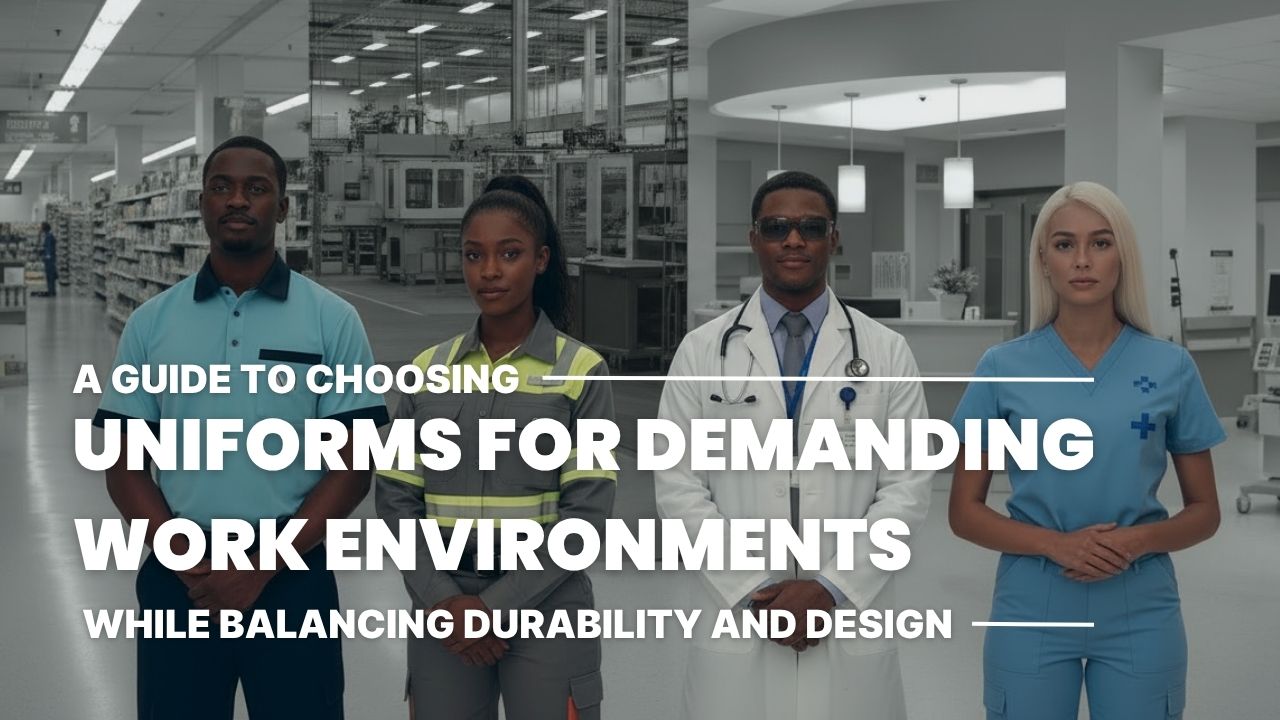
Balancing Durability and Design: A Guide to Choosing Uniforms for Demanding Work Environments
Making uniforms durable and well-designed is one of the biggest challenges for many businesses in high-use environments, whether it comes to retail, manufacturing, hospitality or healthcare. A uniform needs to withstand everyday wear and tear as well as reflect brand identity and leave a lasting impression on customers. Choosing the right mix can help business owners as well as retailers to make their uniforms long-term investments for buyers. Here is a guide to choosing uniforms for demanding work environments that you will love to go through.
Why Durability is So Important?
In demanding workplaces, uniforms have to endure repeated washing, constant movement and exposure to stains and other environmental stresses. Naturally, durability is very important and there should not be any compromise on this aspect. Fabrics combining cotton and polyester are particularly useful for their ability to resist wrinkling, shrinking and fading.
With reinforced seams, apparels can survive the daily strain of active living. In sectors like food service industries, moisture and stain-resistant finishes can add further resilience. These can extend the lifespan of each uniform. Materials that resist fading from sunlight, abrasion or frequent laundering also preserve a professional, polished appearance.
Durable uniforms can help wearers to save money. There are no replacement expenses and employees can also present themselves most professionally, in well-maintained attire.
Why Design Cannot Be Ignored?
The design element adds to the perception about unforms. An ill-fitting and outdated uniform can unintentionally project wrong images about a brand or professional. When designs are chosen thoughtfully, uniforms can reflect the identity of an organization through appropriate fits, styles and colors.
Employees can also manage to benefit directly when they wear uniforms with well-designed esthetics. They can feel comfortable and also project a professional image all through. Design becomes a part of the entire customer experience for customer-facing industries like retail and hospitality. These can shape first impressions and build trust among customers.
Effective design is not about luxury; it is about ensuring that the uniform is practical and can display the brand image in a proper way.
How to Balance Durability and Design in Uniform Selection?
Here are some tips to follow:
Choose the right fabric blend
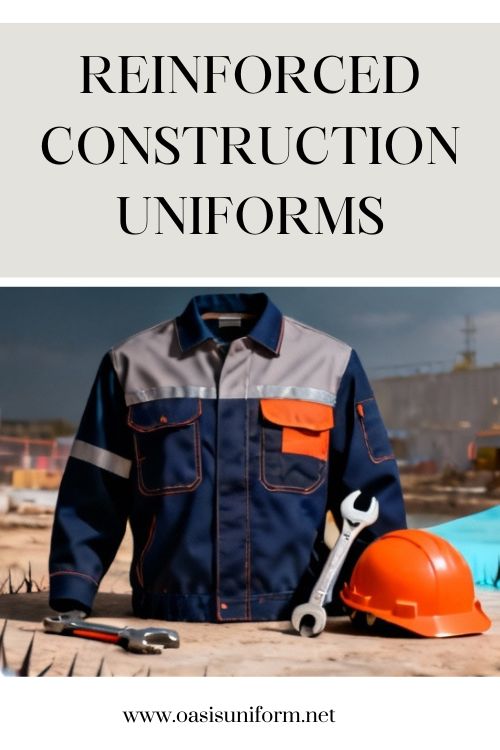
The fabric is the foundation of any uniform. Modern polyester-cotton blends come with a wonderful combination of comfort, strength and ease of maintenance. In harsher work environments, such as manufacturing or construction, technical fabrics that include added abrasion protection or water resistance may be more suitable.
Reinforce construction in high-stress areas
In the absence of solid construction, even the strongest fabrics can wear out fast. The lifespan of a uniform can significantly be extended due to double or triple-stretched steams in areas such as knees, elbows and shoulders. Extra enforcement panels may also be needed in some industries, to withstand constant movement and pressure.
Prioritize comfort and movement
Wearers should never feel restricted in uniforms. It is possible to achieve comfort with uniforms constructed with moisture-wicking, breathable fabrics that can maintain proper body temperature during strenuous, long shifts. Uniforms available in a wide range of fits and sizes ensure ease of movement and inclusivity, without any compromise on professional appearance.
Align design with role and industry needs
It is important to customize design elements to the unique requirements of the job role. Various industries need varied design priorities and uniforms can remain both professional and functional. For example, outdoor workers may need weatherproof materials, reflective strips or additional protective features. Healthcare settings may call for easy-clean fabrics and antimicrobial finishes.
Maintain brand consistency through style and color
A uniform that projects brand values consistently is far more than clothing; it can be a subtle but robust marketing tool. Embroidery or logos can reinforce professionalism and ensure a cohesive appearance across teams. Colors should align with the brand palette and fabrics must look as vibrant as ever before, even after repeated washes.
Consider the ease of maintenance
Durable uniforms must also be convenient to maintain. Look for fabrics that can resist wrinkles and stains and can remain presentable with the least amount of effort. Uniforms that withstand frequent washing with no loss of colors or shape are efficient – for both employers and employees. With simple maintenance, uniforms can be made to last for much longer.
It is important to consider all these necessary factors before you order uniforms for your retail store or private level clothing business. With the right options in your inventory, you can be assured of making excellent sales.